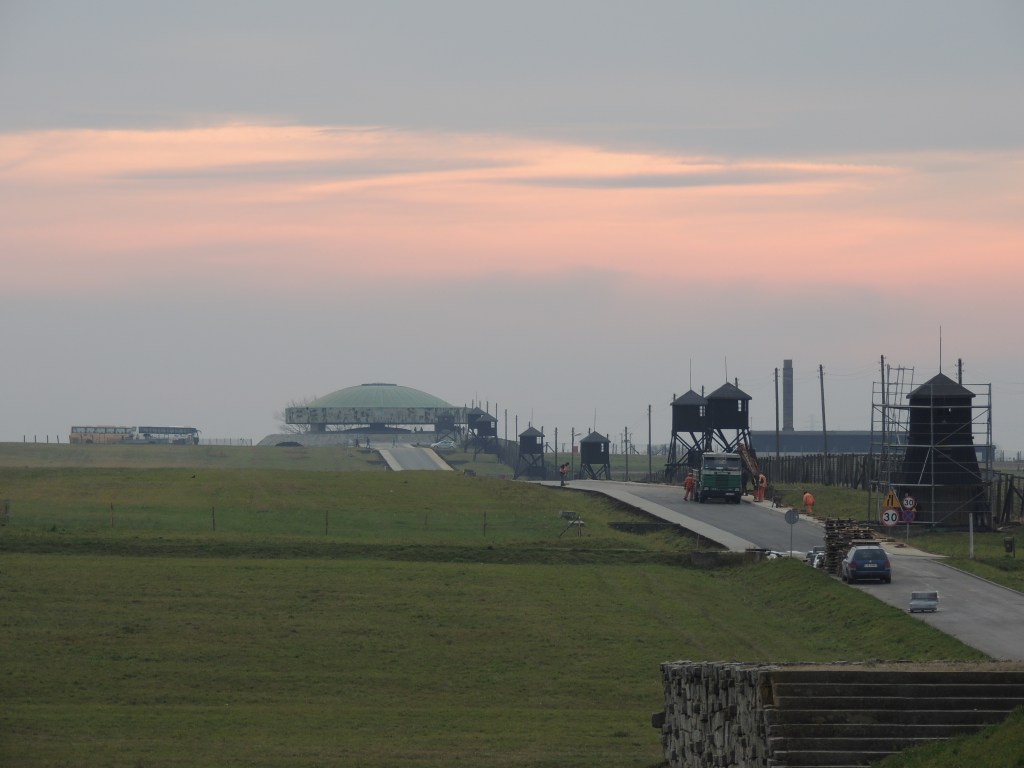
I invite you to visit my website telling the story of the Holocaust through contemporary images.
The inspiration behind ‘Shoah: Contemporary Images of the Holocaust’ was personal recollections and visits to Jewish and Holocaust sites in Germany, Austria, The Netherlands, the Czech Republic, France, Lithuania, Latvia and Poland over the course of many years. Together these images of here and now tell the story of what happened in the Shoah. (Julian Harrison, November 2020)
During these visits, an attempt was made to go behind the surface and to record, verbally and visually, relatively unknown material to co-exist alongside established information. This meant that sites of Jewish life prior to the advent of the Nazi genocide as well as places that have been elevated in significance as a result of it, became very much the preserve of attention and focus. Former synagogues, community centres, streets and homes as well as old cemeteries and even sports stadia were photographed alongside the remains of Nazi persecution – ghettoes, camps, railway tracks, deportation sites as well as Gestapo and SS buildings and even the homes used by prominent officers during their sojourn of officialdom and reign of terror. The purpose was not to reveal everything, to go everywhere or to chronicle every episode. It was rather to offer snapshots of a story that has always been much more than a brief twelve-year nightmare (the period of Nazi rule from 1933 to 1945). It was to encapsulate things before and afterwards, to highlight the mundane as well as the known, the routine as well as the exceptional, the perennial as well as the specific.
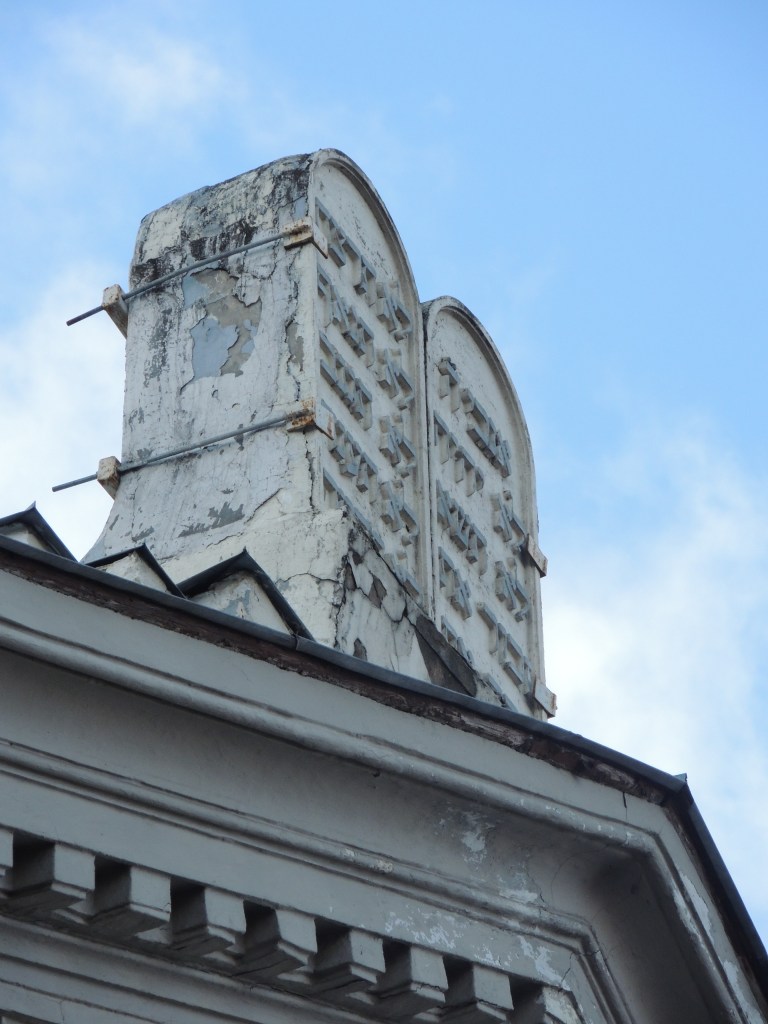
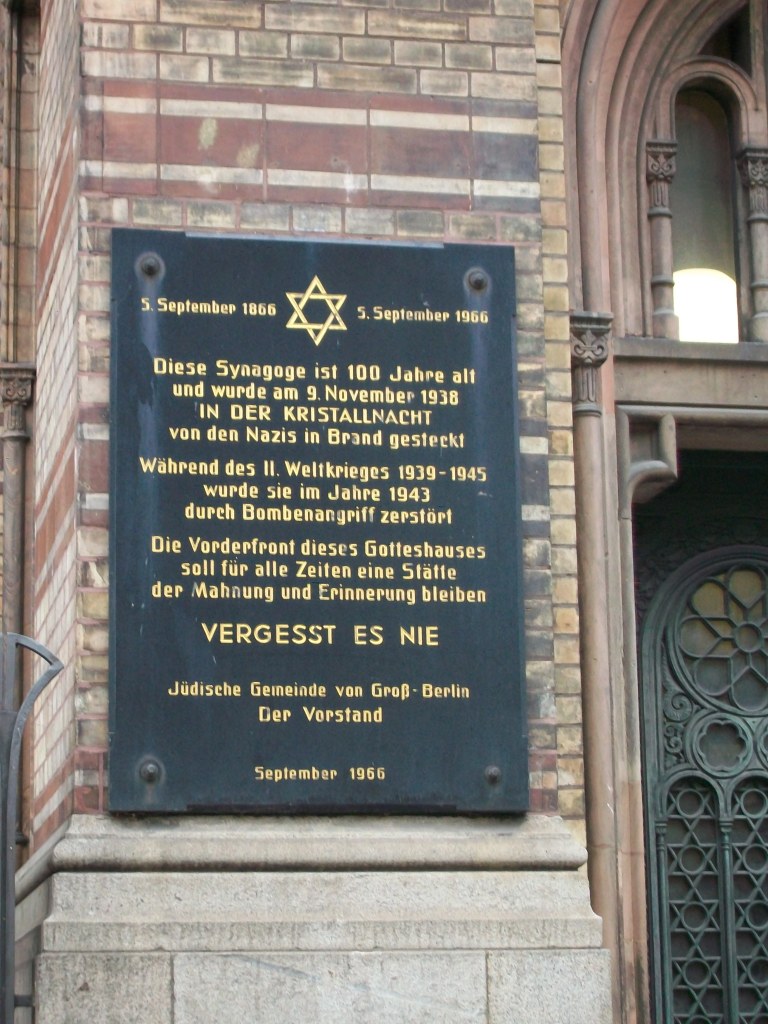
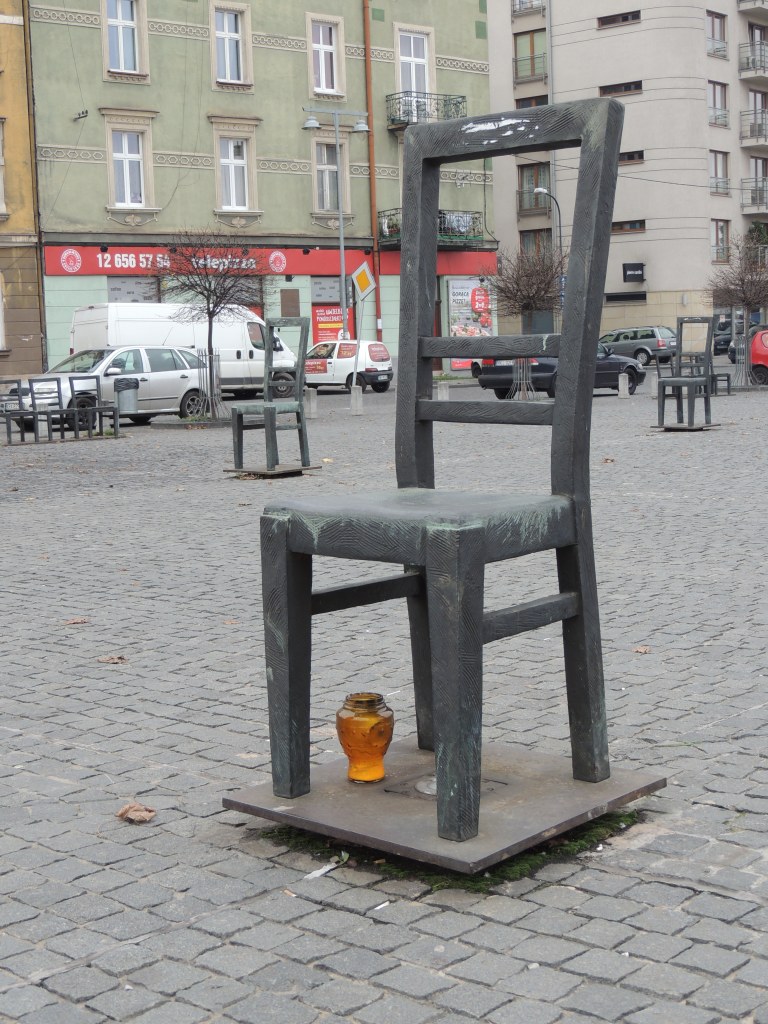
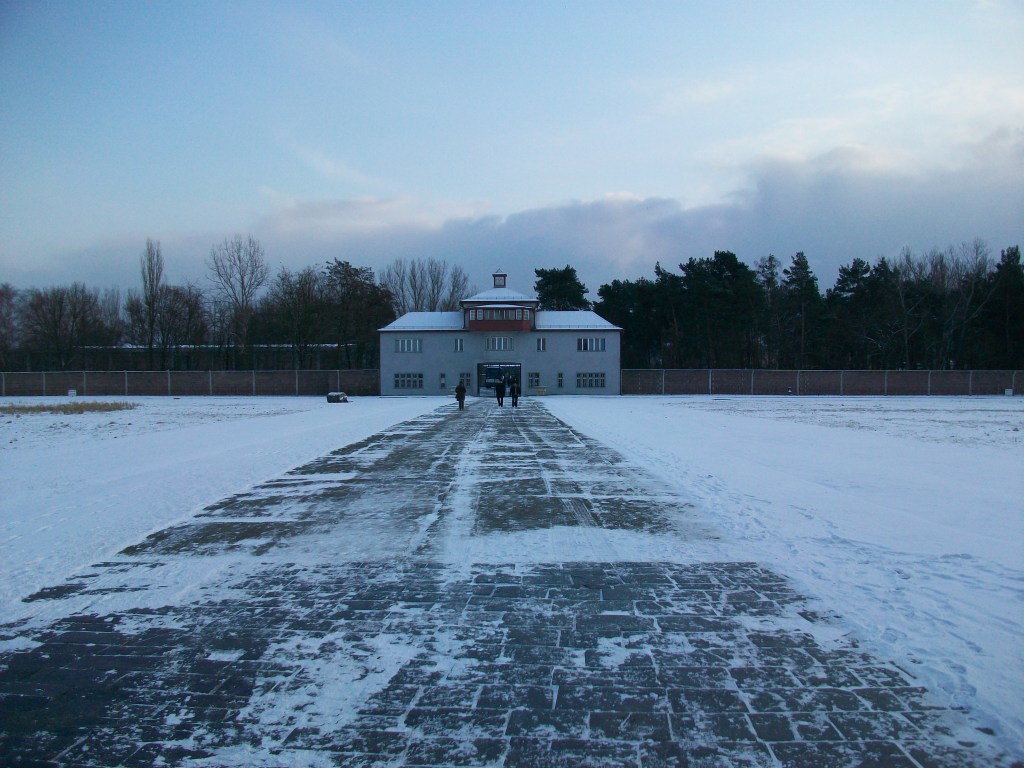
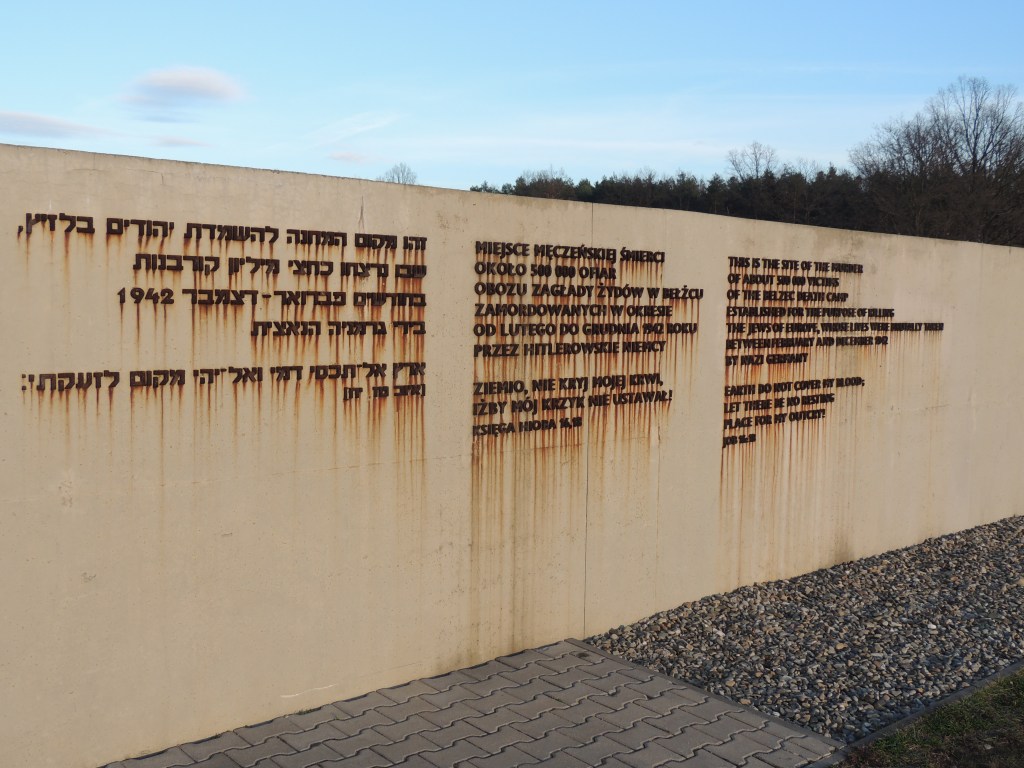
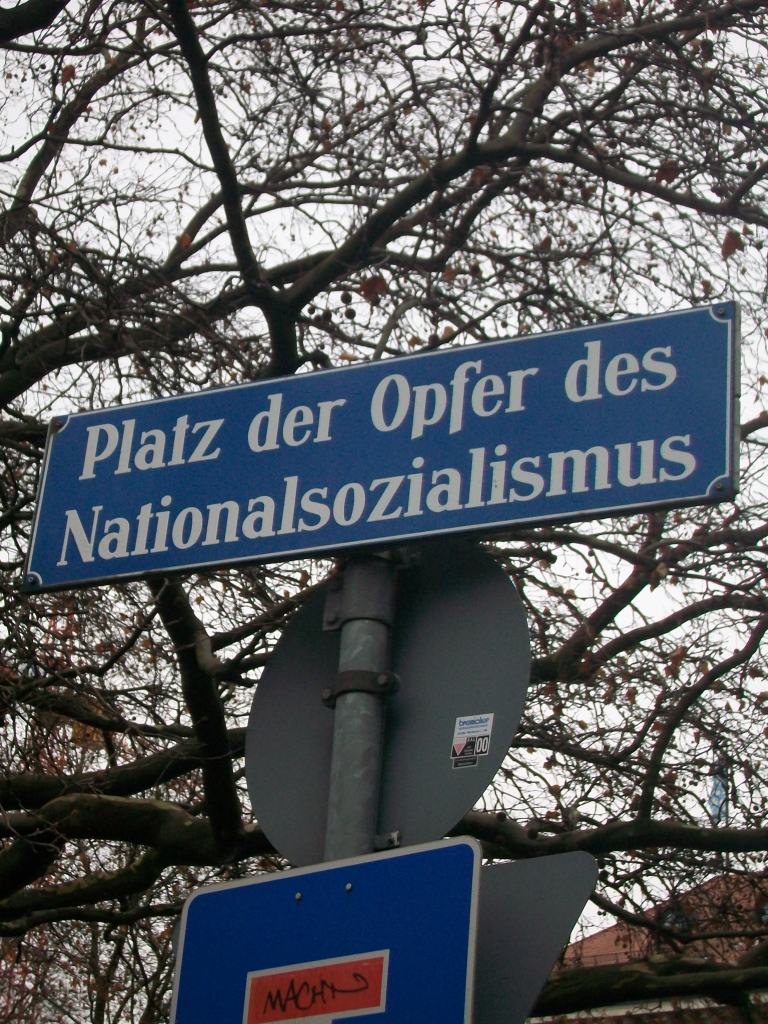
From Amsterdam to Lublin, from Terezín to Auschwitz, from Berlin to Warsaw, from Dachau to Majdanek, from Łódź to Sobibór, from Paris to Paneriai, the lens of my camera sought to capture and epitomise, to record as well as to influence. What you see is not necessarily familiar or indeed famous but suggestive and no less important. They are my own choice from thousands of images, a choice conditioned not just by the need to tell a story but also by the opportunism of finding the right photograph at the right time.
The use only of contemporary images is deliberate. To demonstrate the present reality of a story that should never be confined to the past.
These images will appeal to Holocaust historian, interested observer and social commentator alike. Together they comprise immersion into a journey that took life away but which also seeks to reaffirm its soul and its significance.
To view the website, please click here.
 Julian Harrison Consultant